
Share

History

We proudly celebrate both our vision for the future and the distinguished legacy established by our founder, Henry Hobson Richardson. His collaborative design approach and eye for detail paired with rigorous quality control continue to define our firm. This legacy, beginning with Boston's Trinity Church and the first buildings at Stanford University extends to our current projects for leading healthcare, education and civic institutions.


Trinity Church, Boston, MA, 1886

The Office of H. H. Richardson (1874-1886)

Born in New Orleans in 1838, Henry Hobson Richardson studied at the Ecole des Beaux-Arts in Paris, and then began his distinguished architectural career with a small office in New York City, opened in 1866. In 1872, Richardson won a competition to design Boston's Trinity Church and in 1874, reestablished his practice in the Town of Brookline, Massachusetts with a small staff, including George Foster Shepley, Charles Allerton Coolidge, and Charles Hercules Rutan, an engineer who started with Richardson as an office boy.

Trinity Church not only brought Richardson to Boston, but earned him great recognition. Widely regarded as the premiere example of the 'Richardson Romanesque' style, this masterpiece is now a National Historic Landmark and a continuing source of pride for the firm and the City of Boston.

Establishing a pattern that remains characteristic of the firm today, Richardson built his practice by responding to the region's growing demand for new building types, such as academic facilities, railway stations, public libraries, courthouses, churches, commercial buildings and residences. During this period, he designed Sever Hall (completed in 1880), the first of more than 120 new buildings, additions and renovations completed by the firm for Harvard University.

After expanding the practice outside New England, Richardson and his assistants took on a major commission for the Marshall Field Wholesale Store (1885) in Chicago, frequently noted by architects and critics for its representation of Richardson's three constant design principles: continuity, permanence and expressionism. Other important work during this period included the Ames Monument (1879) in Wyoming, the Oliver Ames Free Library (1879) in North Easton, Massachusetts, the Allegheny County Courthouse (1884) in Pittsburgh and the Cincinnati Chamber of Commerce (1887).

Back to Top


Stanford University, Campus Master Plan, 1887

Shepley Rutan and Coolidge (1886-1915)

Richardson died prematurely in 1886 at the age of 47. The new firm, Shepley Rutan and Coolidge (SRC), headed by Shepley, inherited more than two dozen projects at various stages of completion, as well as numerous leads that would ripen into new commissions. In 1888, the firm was commissioned by Senator and Mrs. Leland Stanford to join landscape architect, Frederick Law Olmsted in planning the original campus for Stanford University in Palo Alto, California. This proved to be one of the firm's most significant early projects. It was one of the first colleges in the country to be conceived and constructed in its entirety from the ground up. A year later, in 1889, the firm introduced the "skyscraper" to Boston with the 14-story Ames Building, the world's tallest building at that time. The firm maintained its own offices in the building for 93 years, until 1982.

Back to Top


Boston Lying-In Hospital, Boston, MA, 1923

Coolidge and Shattuck (1915-1924)

Like his predecessor, George Shepley died at a young age, followed 12 years later by Charles Rutan in 1915. Charles Coolidge then offered partnership to George Shattuck, a long-time employee, and the firm became known as Coolidge and Shattuck. The practice continued its prominence in the design of medical schools, creating new buildings for institutions such as the Rockefeller Institute for Medical Research in New York and the Peking Union Medical Center in China, and hospitals such as Massachusetts General and Boston Lying-In.

Back to Top


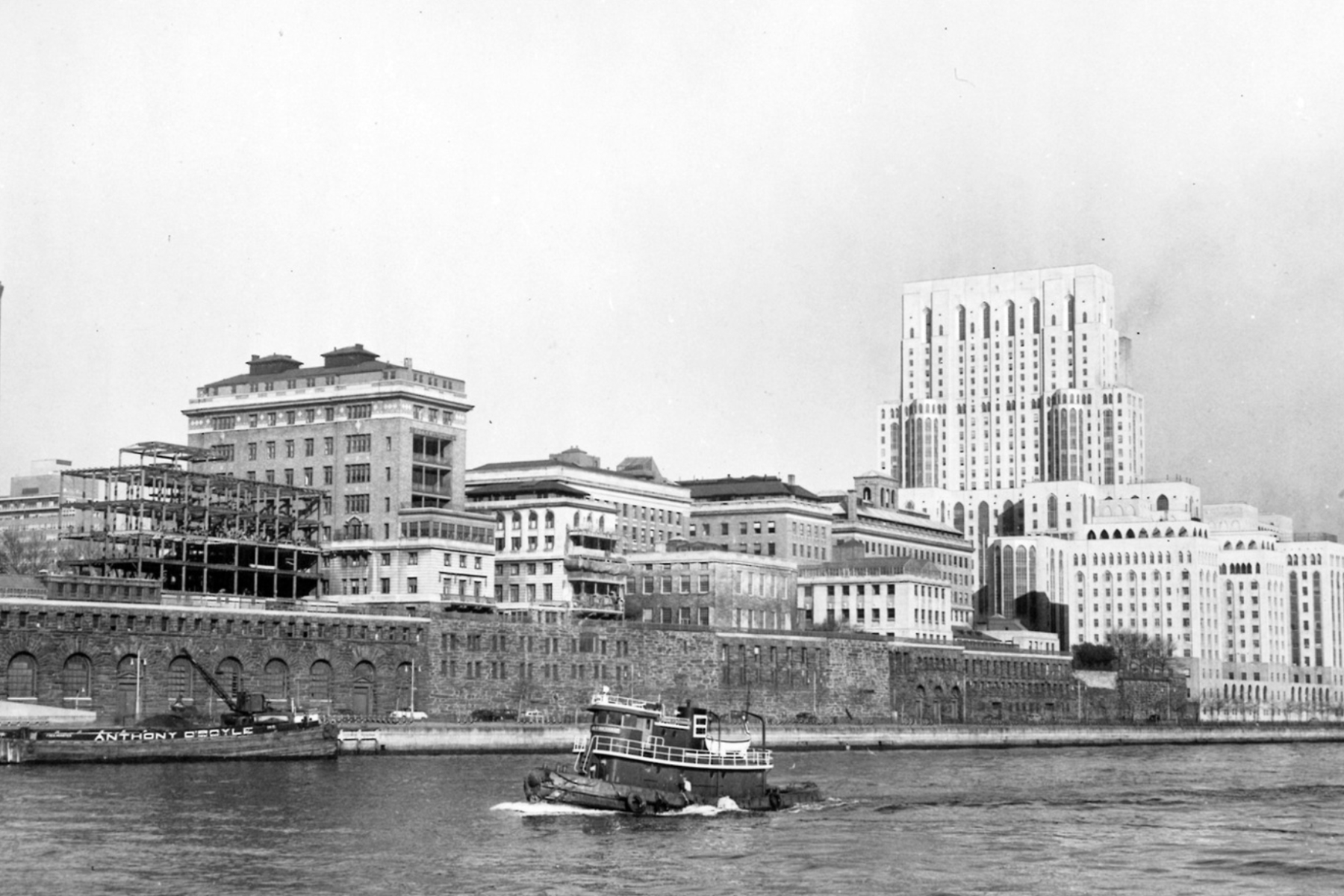
New York Hospital - Cornell Medical School, 1934

Coolidge Shepley Bulfinch and Abbott (1924-1952)

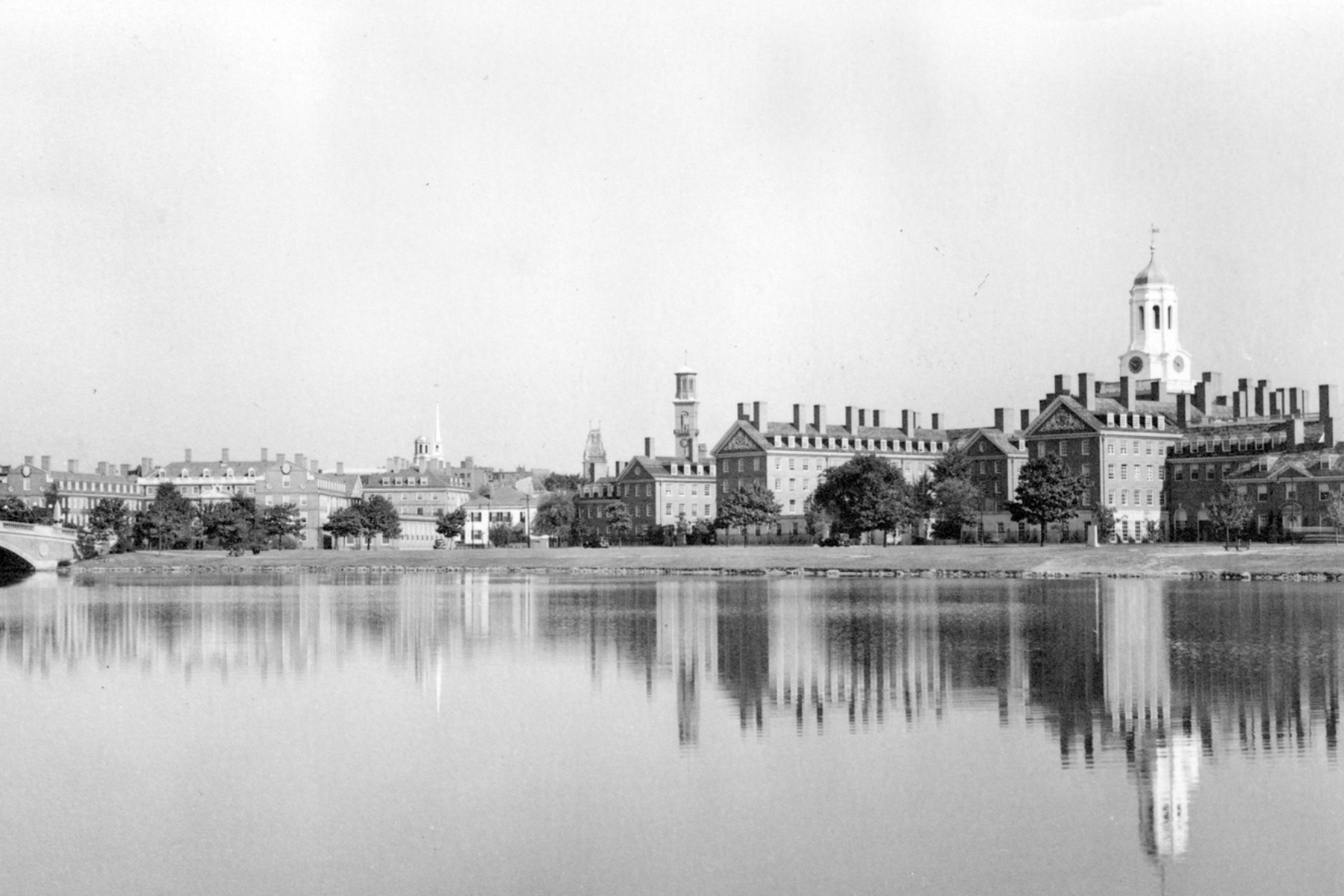
In 1924, Francis Vaughn Bulfinch (a civil engineer), young Henry Richardson Shepley and Lewis B. Abbott were all made partners of the firm, which then became known as Coolidge Shepley Bulfinch and Abbott. During this period, twenty new projects were undertaken for the Rockefeller Institute in New York and Princeton, as well as a new medical school for the University of Virginia (1929). Continuing work at Harvard included the seven Harkness Houses, of which Dunster House (1931), located on an unusual triangular site, is considered the most notable. The firm's work with laboratories began for the Woods Hole (MA) Oceanographic Institution, while the firm continued to add new academic clients. In 1934, the firm completed the New York Hospital-Cornell Medical College - its largest commission to date - as well as projects for the Massachusetts Eye and Ear Infirmary and New England Deaconess Hospital.

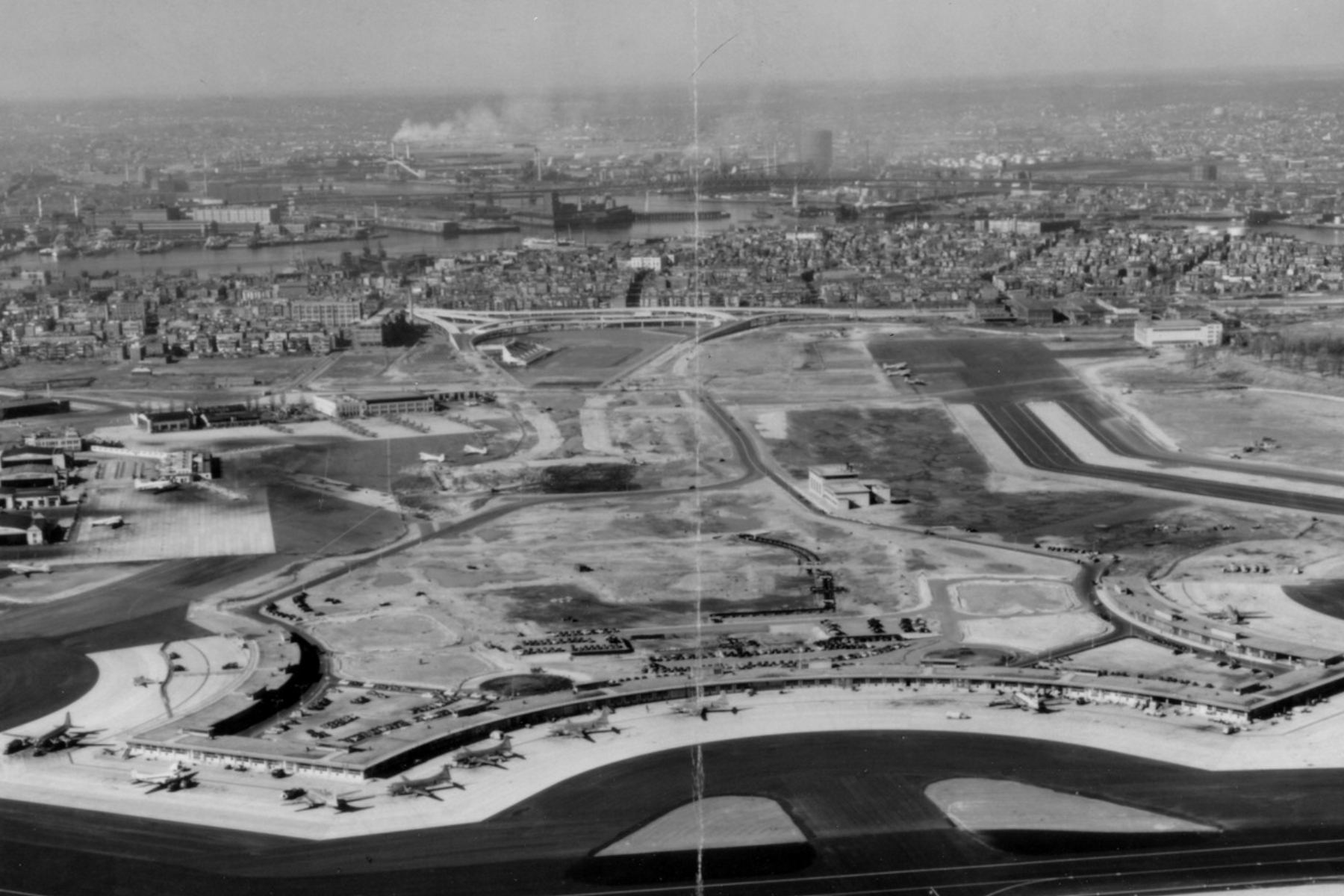
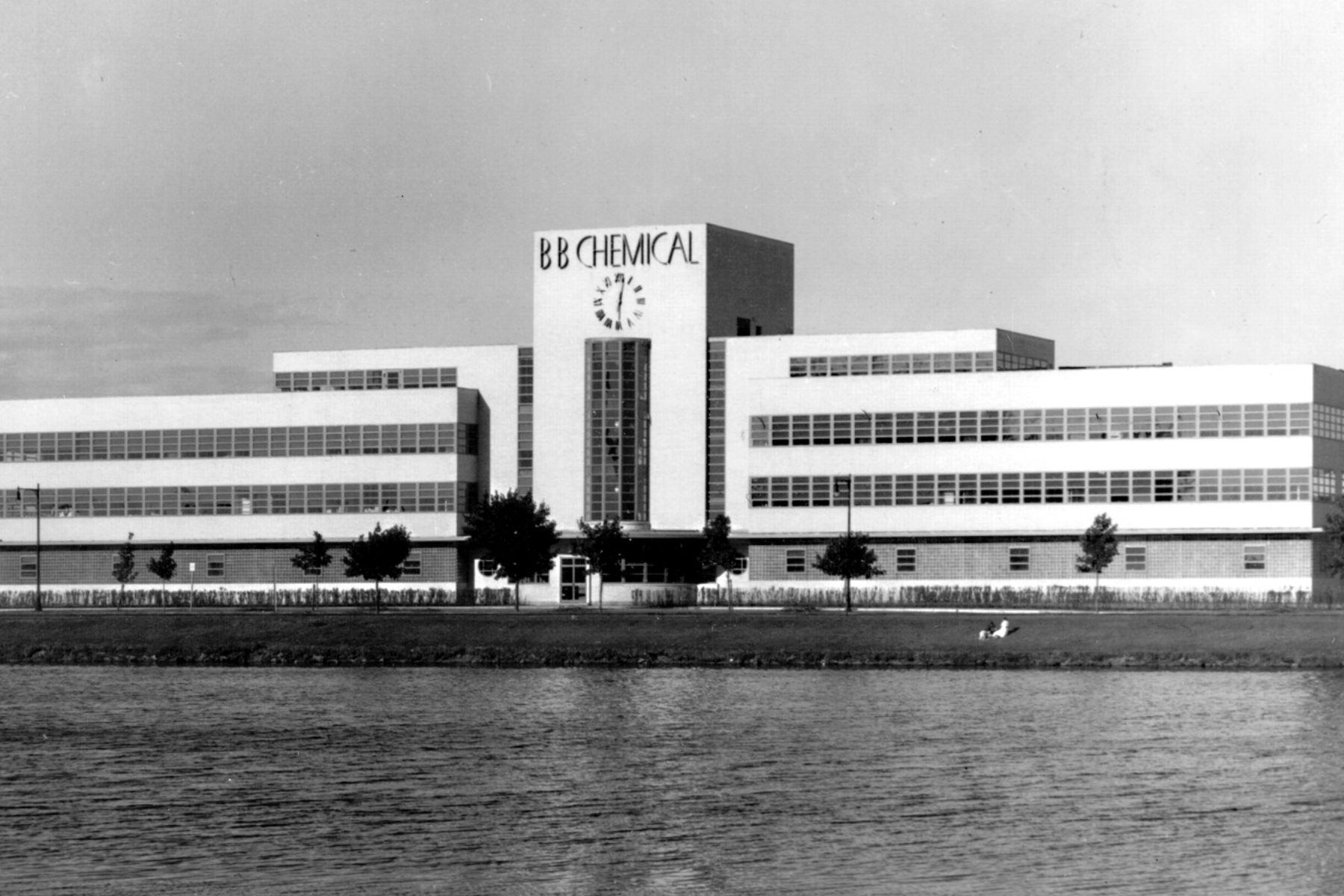
Charles Allerton Coolidge, an energetic designer and business developer for over half a century and the last of the original partners, died in 1936, leaving the practice to Henry Richardson Shepley. Under Shepley's able direction, the firm flourished for the next quarter century with a range of work that included the innovative B. B. Chemical Building in Cambridge (1939) and the original Logan International Airport (1947) in Boston.

Back to Top


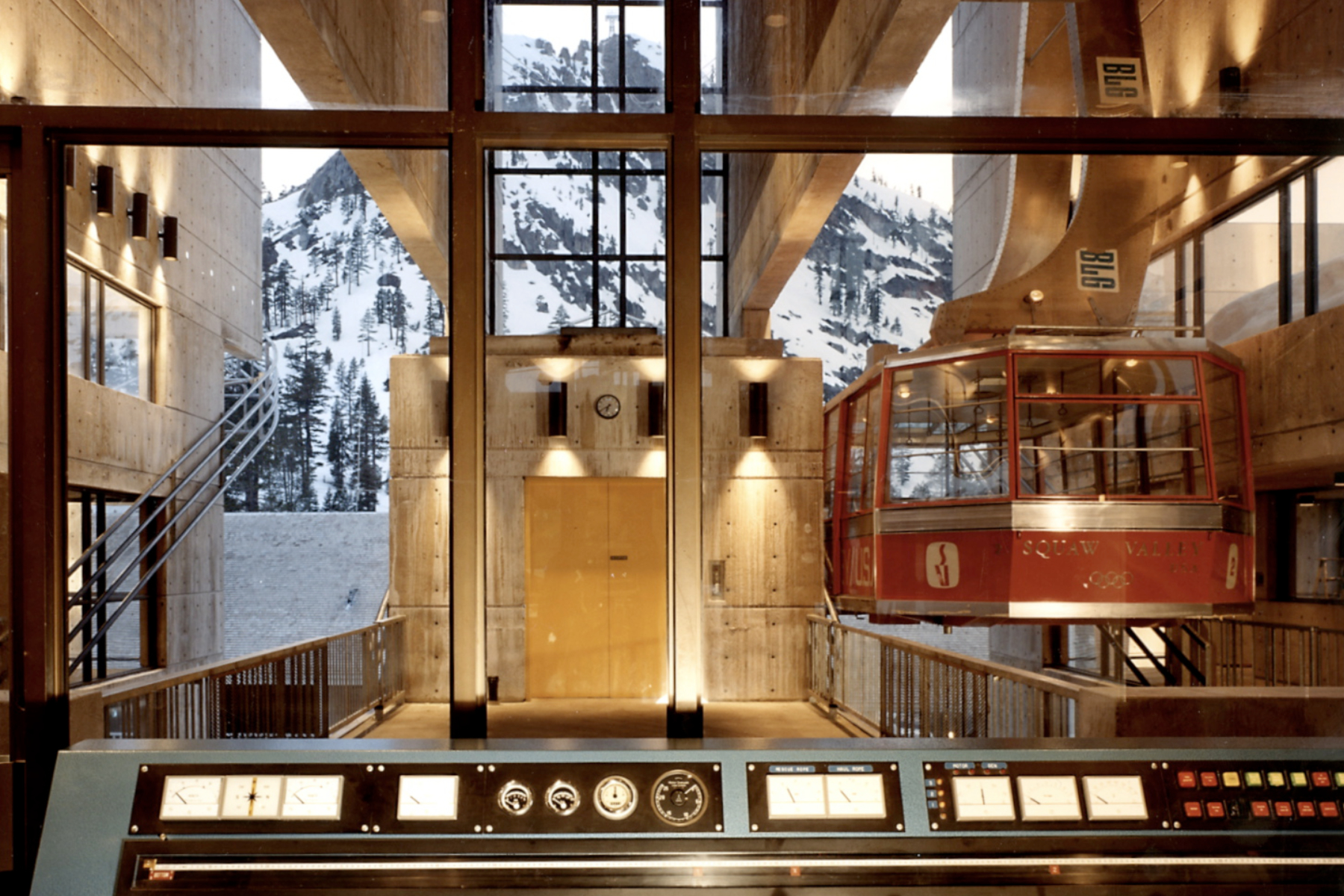
Squaw Valley Tramway, 1969

Shepley Bulfinch Richardson and Abbott (1952-2000)

In 1952, Coolidge's name was replaced by that of Joseph Priestley Richardson -- a partner since 1950 and grandson of Henry Hobson Richardson. At this point, the firm became known by its present name, Shepley Bulfinch Richardson and Abbott (SBRA).

As SBRA, the firm undertook a number of significant projects for both new and existing clients. Notable projects during the following decade included a new main building for Rhode Island Hospital (1958), which would become a client for the next four decades; and several significant projects for Harvard University, including the Harleston Parker Award-winning Quincy House (1960) and Leverett House (1961).

In 1962, Henry Richardson Shepley died, leaving the senior partnership once again to his cousin, Joseph Priestley Richardson, nearly 100 years after the firm was established by their grandfather. Under new management, the firm's design practice continued to grow in the areas of healthcare, education and science -- markets in which the current firm remains strong. Notable projects during this time included new science facilities for Dartmouth (1962), Vanderbilt (1965) and Smith (1967); the new Continuing Care Unit at Hartford Hospital (1967); the State Division of Employment Security in Boston (1970), done in association with several other firms; and buildings for numerous other clients.

Since its founding, an emphasis on teamwork characterized the firm's work style. With a cadre of loyal and experienced staff, the firm worked together to produce the quality buildings for which it was becoming known. In that spirit, work was usually attributed to teams, rather than to individuals, a tradition that became stronger with SBRA's transition from family business to partnership, and to corporation in 1972. While the firm maintained its team focus, the architectural talents of several notable individuals were recognized by the architectural profession: Joseph P. Richardson, James F. Clapp Jr., Sherman Morss, Jean Paul Carlhian, Hugh Shepley, Paul Sun, and Daniel J. Coolidge (the only non-partner in the group) all became Fellows of the American Institute of Architects (AIA).

During the 1970's, the firm pursued new markets and building types and received significant professional recognition, winning the AIA's National Honor Award for its design of the Tramway Terminal in Squaw Valley, California (1969). In 1973, the AIA bestowed its highest honor on the firm -- the AIA Firm Award, citing it as "a firm which has produced consistently distinguished architecture since it's beginnings almost a century ago...[and] has also served as a training ground for young practitioners in the finest tradition of the architectural profession." (At that time, only nine other firms had been chosen for this honor.) The following year, SBRA celebrated its hundredth year of continuous practice. George Mathey assumed presidency of the firm in 1978, taking over for the ailing Joseph Priestley Richardson, who passed away the following year.

In 1982, the firm moved from Shepley Rutan & Coolidge's Ames Building - its home since 1891 - to the Boston's Insurance Exchange Building, built by Coolidge and Shattuck in 1924. Its success throughout the 1980s and 1990s included major science and healthcare facilities and a return to courthouse design after almost 80 years. Corporate headquarters, campus master planning, healthcare facility planning, and secondary school work also constituted a significant portion of the firm's work during this period.

Hugh Shepley, who joined the practice in 1955 and became a partner in 1963, retired from the firm in 1990. As the last descendant of both H.H. Richardson and George Shepley, Hugh Shepley's retirement was especially significant, finalizing the firm's transition from family to corporate management.

Back to Top


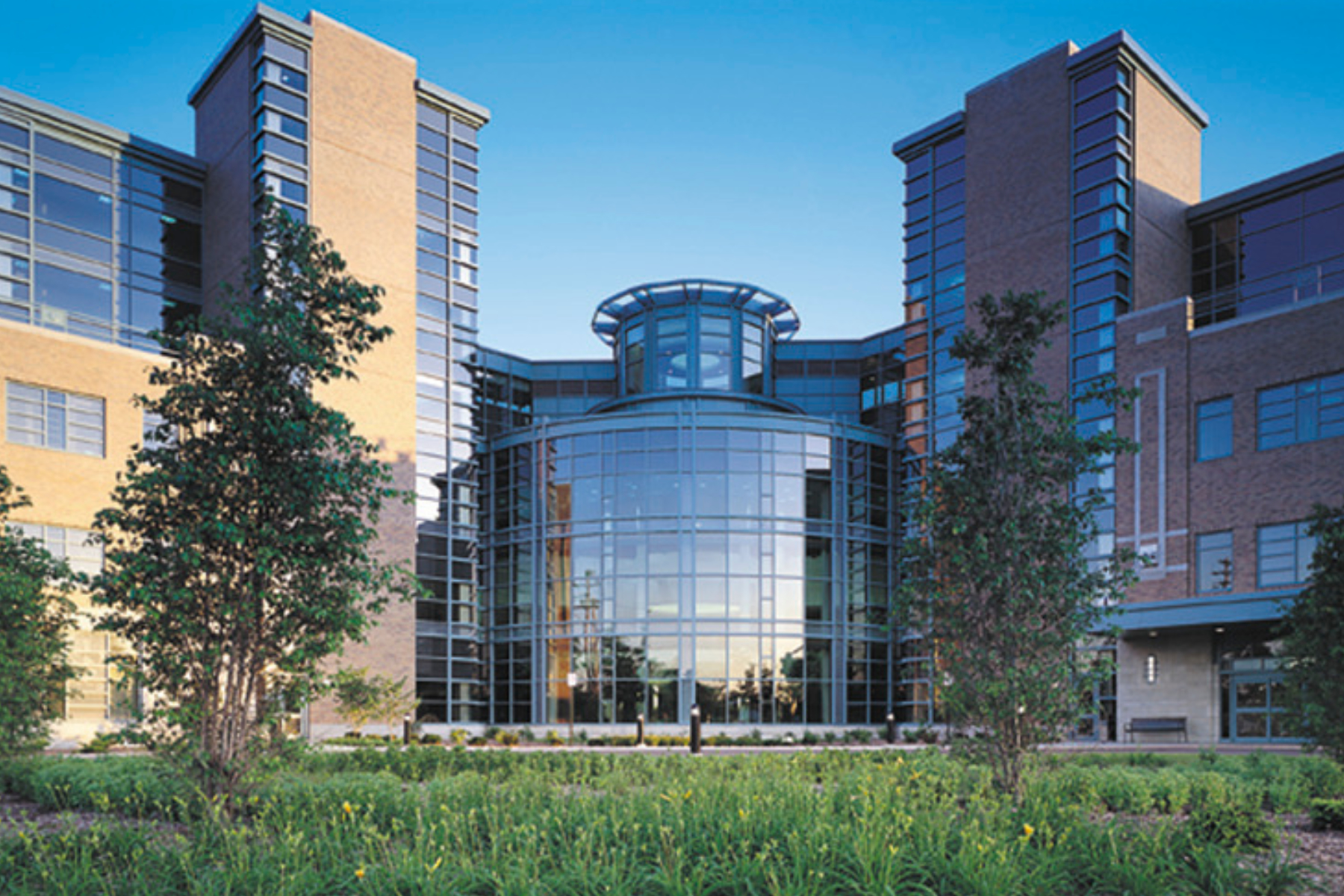
World Trade Center East, Boston MA, 2000

Shepley Bulfinch today (2000)+

Rapidly changing technology on academic campuses and in the fields of research and healthcare is driving the design of new facilities, as well as the renovation for new uses. There is an increasing demand for flexibility to permit the constant transformation of these buildings as information technology shapes our lives.

Major design commissions have included the award-winning renovation and expansion of Higgins Hall science building at Boston College (2000), the Campbell Hall science building renovation and expansion at Agnes Scott College (2002), and the award-winning renovation and restoration of the historic McKim Building at the Boston Public Library (2005) as well as ongoing work at Johns Hopkins University, Duke University, Dartmouth-Hitchcock Medical Center and Yale-New Haven Hospital.

In 2004, Carole Wedge became the first woman president in the firm's history. Since her election Carole has championed the firm's commitment to sustainable design and to a collaborative working environment that was enhanced by our move in 2006 to a new office in the World Trade Center East building, which was designed by Shepley Bulfinch several years earlier.

In 2009 the firm expanded geographically when it merged with merzproject, a small, award-winning design firm in Phoenix, Arizona. The Phoenix studio is now merzproject, a studio of Shepley Bulfinch.

Back to Top


©2010 Shepley Bulfinch